
How to Plan Timelines For a Dental Bone Graft
After getting a dental bone graft, the healing process can take some time. Expect the recovery period to last two to six weeks before you can chew on that side.
According to the World Health Organization, 23% of seniors aged 60 and older have lost all of their teeth. Even if you've only lost a few, the jawbone tissue in that area will have diminished over time.
Here's everything you need to know about the dental bone graft timeline.
Understanding the Need for a Dental Bone Graft
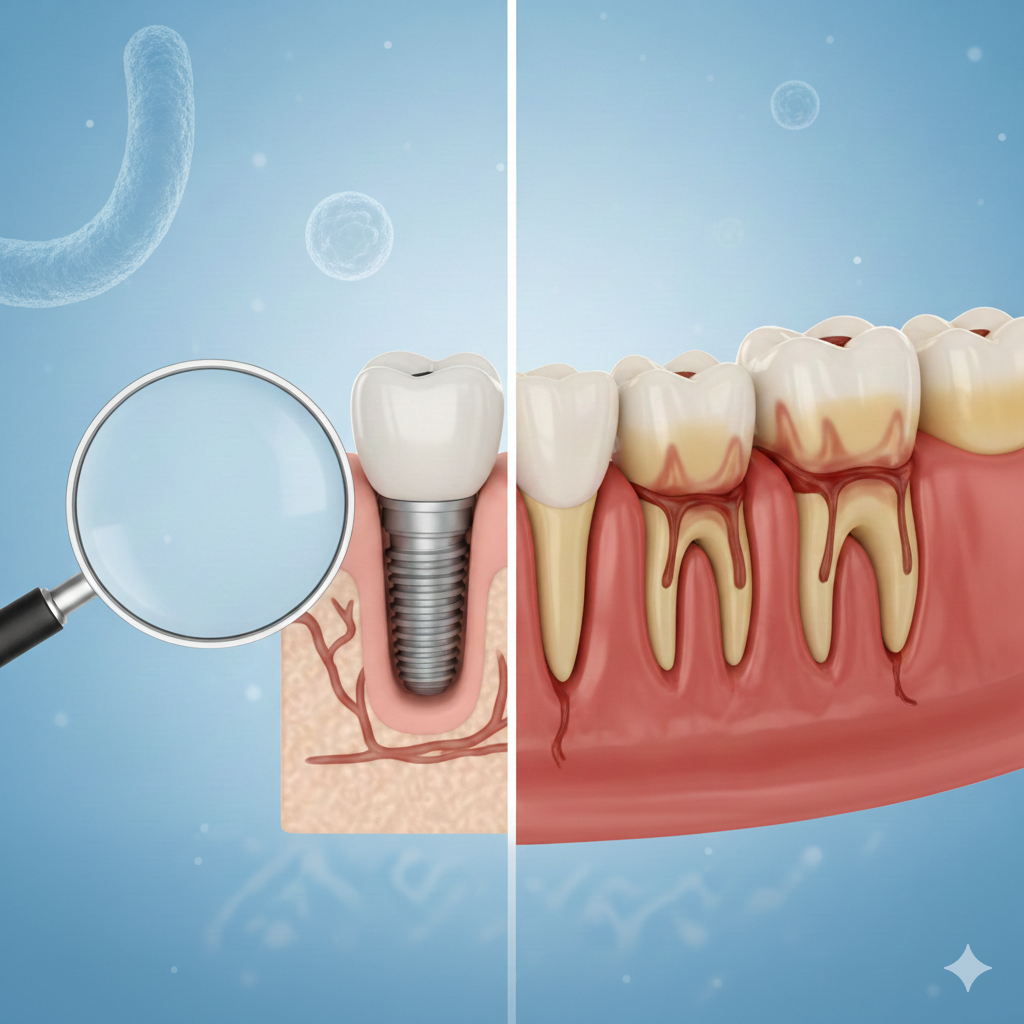
A dental bone graft is essential for people who have experienced significant bone loss in the jaw. This happens due to:
- Periodontal disease
- Injury
- Tooth loss
Without adequate bone density, the placement of dental implants can be problematic. Implants require plenty of bone tissue to anchor themselves.
A bone graft is one step in a larger framework known as full mouth restoration staging. There is no age limit on bone grafts or dental implants.
The Stages of Your Dental Bone Graft Journey
Sequential treatment plan scheduling allows your dentist to break down the implantation process into multiple steps. The oral surgery step-by-step navigation includes:
- Initial consultation
- Bone graft procedure
- Healing periods
- Provisional prosthetic management
- Implant placement
The initial consultation is when the dentist evaluates your oral health, takes imaging scans, and develops your plan. During the actual bone graft procedure, bone material is taken from your body or a donor source and placed in the area where you lack bone density.
After the bone graft, your body will go through a significant healing period where it integrates the graft into the jawbone. This can take several months.
You may need provisional prosthetics to maintain functionality during that time. Eat only soft foods for the first few weeks.
When your dentist feels ready, you can then get dental implants inserted into the area.
What Not to Do After a Dental Bone Graft?
Good provisional prosthetic management can increase the success of your overall restoration journey. It's crucial to follow post-operative instructions meticulously.
Avoid chewing on the grafted side, and avoid hard foods. Do not use straws for up to 14 days. Sleep with your head elevated for the first few nights to minimize swelling.
Keep in mind that permanent implant healing periods can vary depending on the individual and implantation location. Ensure you communicate openly with your dental provider about any concerns during the healing period.
How Long Does a Dental Bone Graft Last?
A dental bone graft can last a lifetime. They're made to permanently fuse with your natural jawbone. Make sure to receive the new implant within a year to prevent the bone from shrinking from disuse.
Your Restored Smile Awaits
A dental bone graft can come with a long waiting period until you can function normally again. However, it's a required process for some people to qualify for dental implants. As long as you follow your dentist's instructions, you'll be fine.
New River Valley Dental Care can help you through every step of getting your new dental implant. Our services cover crowns, veneers, emergency dentistry, and much more. Reach out today with any questions and to schedule your first visit.