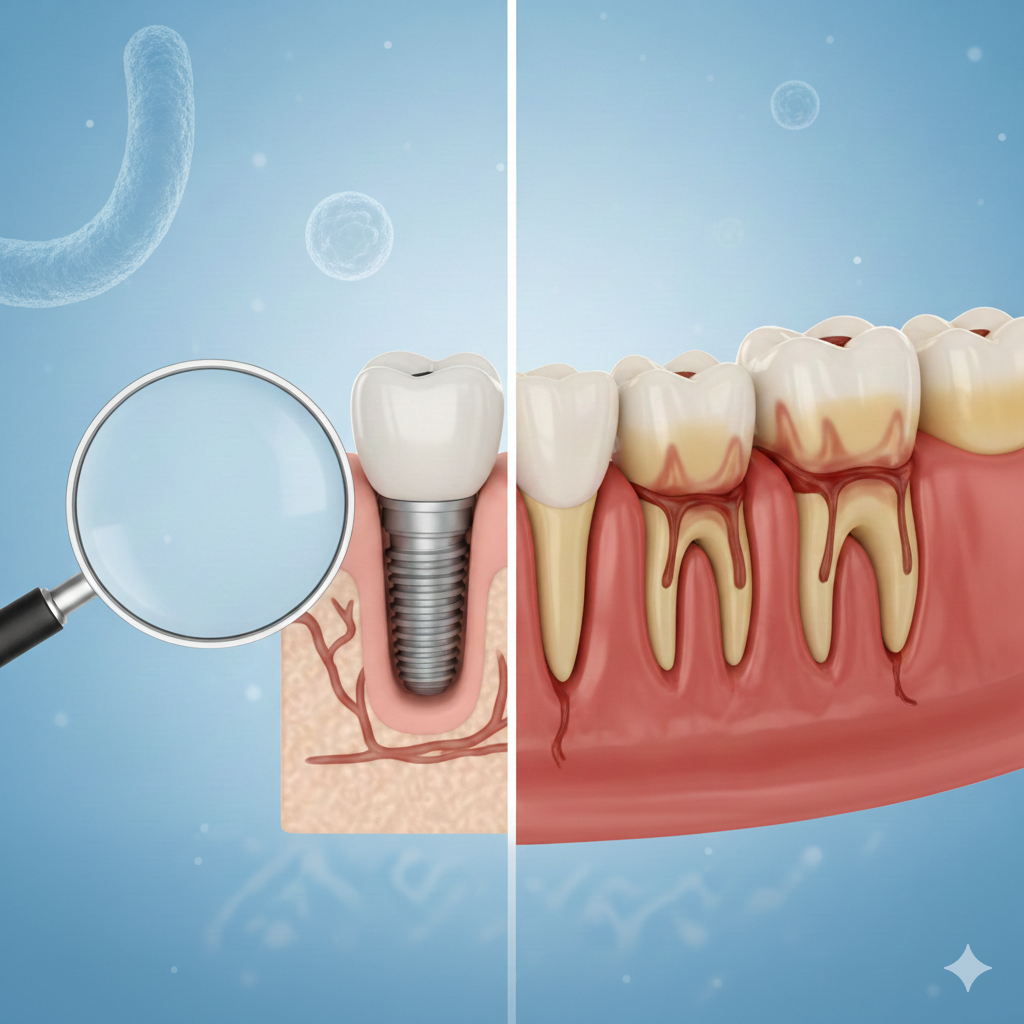

Dental Implants and Diabetes: What You Need to Know
The CDC reports that about 29.1 million people in the U.S. have been diagnosed with diabetes.
Many individuals face unique challenges when it comes to diabetes and dental implants.
One of those unique challenges is gum disease. People with diabetes can be more susceptible than most to gum disease.
While dental implants are a safe and effective solution for restoring your smile, there are essential factors to consider.
Understanding the impact of diabetes on teeth is crucial for making informed decisions about your care.
If you have diabetes and are interested in dental implants, you'll need to undergo a thorough health assessment beforehand to check for gum disease and other issues that might affect the success of your implants.
Another thing to note is that diabetes sufferers tend to have a lower success rate and a higher risk of infections, making proper aftercare crucial.
The Connection Between Diabetes and Dental Implants
Diabetes can affect every part of your body, including your mouth. High blood sugar levels can lead to gum disease, dry mouth, and infections, all of which can complicate dental procedures.
In fact, according to the American Diabetes Association, individuals with diabetes are more susceptible to gum disease than those without the condition.
This makes it vital for you to manage your diabetes effectively before undergoing any dental treatments. Regular visits to a dentist in Christiansburg, VA, who understands these challenges can help you stay on track.
Preparing for Dental Implants
Before you commit to dental implants, you must undergo a thorough evaluation.
This process may include:
- Medical history assessment
- Blood tests to check blood sugar levels
- Examinations of your gum health and bone density
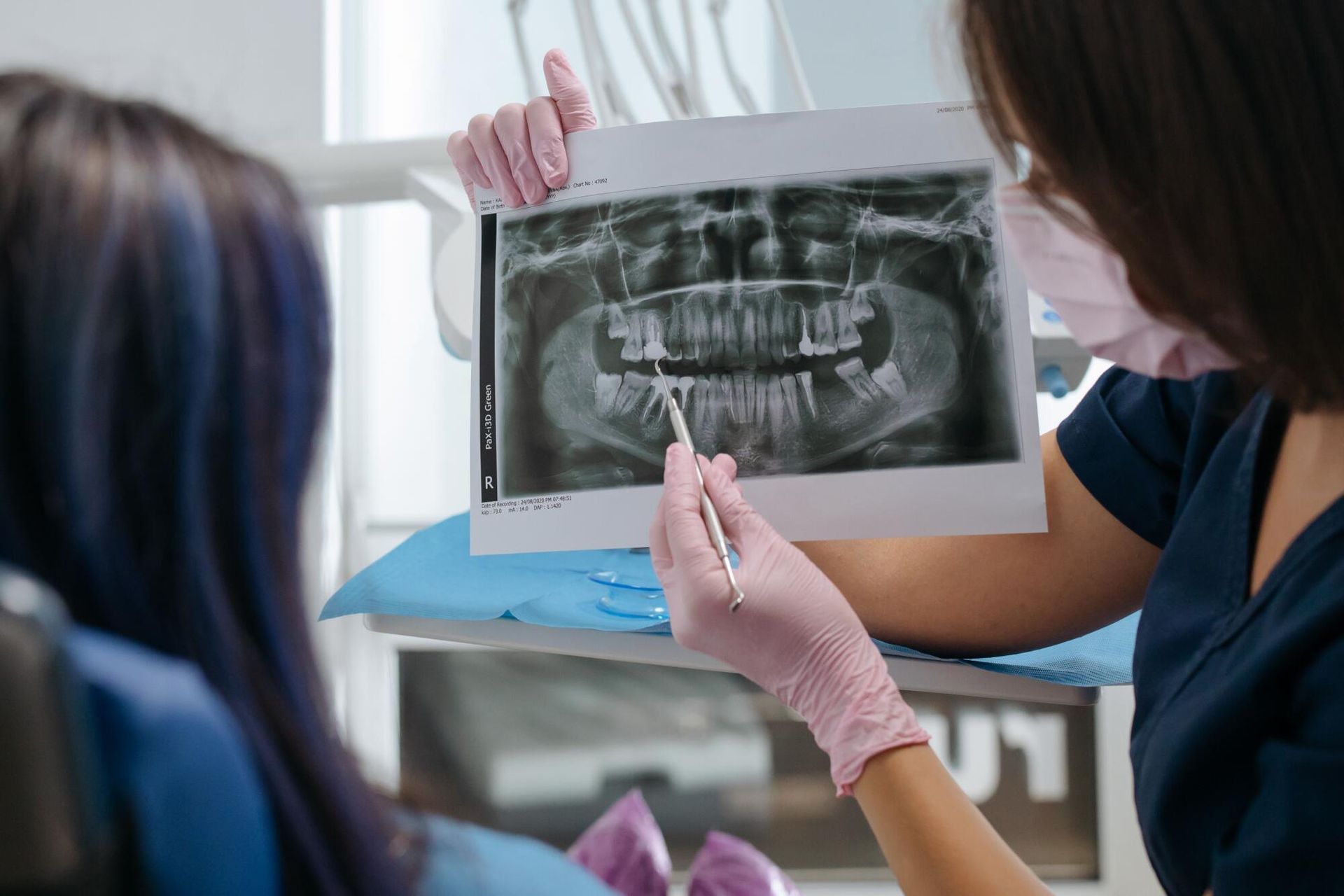
- Dental imaging to plan the implant placement
It's essential to communicate openly with your dentist about your diabetes management. Your medical team may suggest improving your blood sugar control to enhance the success rate of the implants.
Consistent control not only lowers the risk of complications but also aids in healing after the procedure.
Risks and Considerations
While dental implants can significantly improve your quality of life, there are inherent risks, particularly for those with diabetes.
Some common risks include:
- Slightly lower success rates for individuals with uncontrolled diabetes
- Increased chance of infections
- Potential for slower healing processes
However, these factors do not rule out implants as an option. Many people with diabetes have had successful outcomes. Factors such as overall health, smoking habits, and adherence to care protocols can affect dental implant success.
Post-Procedure Care
After receiving your implants, it's imperative to maintain excellent oral hygiene. Regular cleaning helps prevent infections and supports fast healing.
Keep in mind that your dental team may offer implant care advice, such as:
- Scheduling follow-up appointments
- Using special cleaning aids
- Maintaining a balanced diet to support healing
Monitoring your blood sugar levels closely will also play a vital role during your recovery. Remember, active management of your diabetes will lead to better healing outcomes and healthier implants.
Embrace a Healthier Smile!
If you're living with diabetes and considering dental implants, choose a dentist in Christiansburg, VA, who understands your unique needs. At New River Valley Dental Care, we prioritize your health and work hand-in-hand with you to navigate the
complexities of dental care with diabetes.
Our team is dedicated to providing personalized solutions that cater to your oral health and overall well-being.
Demystify diabetes and dental implants today by contacting us for expert guidance on your journey toward a brighter, healthier smile!