
Dental Implants and Gum Disease: Is It Possible?
Yes, you can still get dental implants with gum disease, but treatment has to come first. Active gum infection and bone loss can compromise implant success, so dentists typically stabilize the gums and underlying bone before moving forward. Once the disease is controlled, implants often become a realistic and predictable option.
If that sounds frustrating, you're not alone. More than 42% of all adults older than 30 are dealing with some form of gum disease, according to NIH MedPlus Magazine. Picture someone finally ready to invest in a long-term solution like dental implants, only to hear there's an extra step involved.
The good news is that modern dentistry rarely treats this as a dead end. With the right sequencing, careful planning, and targeted periodontal care, gum disease shifts from a barrier into a manageable checkpoint on the path to a stable, confident smile.
Understanding Gum Disease
Gum disease, also known as periodontal disease, occurs when plaque builds up on your teeth and triggers inflammation in your gums. This can eventually lead to serious oral health issues, including tooth loss.
The two main stages of gum disease are:
- Gingivitis: This mild form of gum disease causes irritation and redness in the gums.
- Periodontitis: In this more severe stage, the inflammation spreads to the bone that supports your teeth.
Can You Get Dental Implants with Gum Disease?
The simple answer is that it depends on the severity of the gum disease. A dental implant is a titanium post that acts as a root for your replacement teeth. Patients require healthy gums and sufficient bone density to be successful candidates for dental implants.
If gum disease is present, it is crucial to address it before proceeding with any implant treatments. Typically, dentists recommend a comprehensive periodontal assessment, which may include:
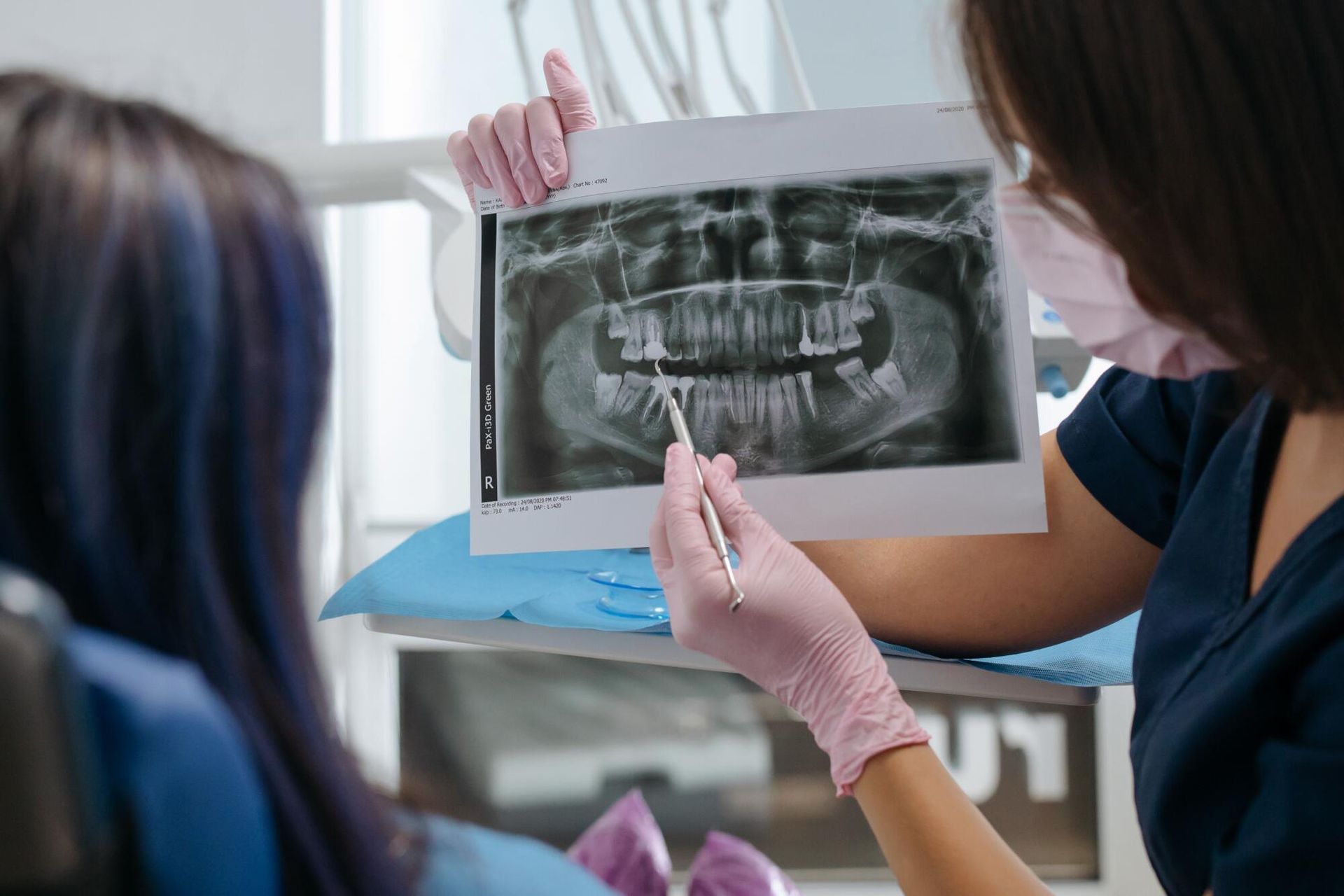
- Dental X-rays to evaluate bone health.
- Regular cleanings and possibly deep cleanings (scaling and root planing) to remove plaque.
- Possible periodontal surgery to help restore gum health.
Once you get gum disease treatment and the mouth has healed, placing dental implants can be a feasible option. Many patients have successfully undergone dental implant surgery after receiving proper periodontal care.
Oral Health Solutions: Preparing for Dental Implants
Before undergoing dental implant surgery, follow these essential steps:
- Consultation: Schedule a consultation with a qualified dentist in Christiansburg, VA, to discuss your oral health needs.
- Oral Hygiene: Maintain excellent oral hygiene practices to avoid further gum disease.
- Lifestyle Changes: Consider quitting smoking and adjusting your diet to foster better oral health.
Taking these proactive steps will contribute to the success of your dental implants, leading to a more confident smile.
Dental Implants with Gum Disease: Your Path to a New Smile
For anyone struggling with the dilemma of dental implants with gum disease, there are options for you.
If you are dealing with gum disease and wondering if dental implants are still possible, New River Valley Dental Care offers clear answers and personalized solutions. Our Christiansburg team evaluates gum health, bone levels, and overall oral stability before recommending implants.
When preparatory care, like periodontal treatment or bone grafting, is needed, everything is handled in one coordinated plan under one roof. Schedule your appointment today.